Blog
What Is a Mushroom Microdose? A Clear Beginner’s Guide

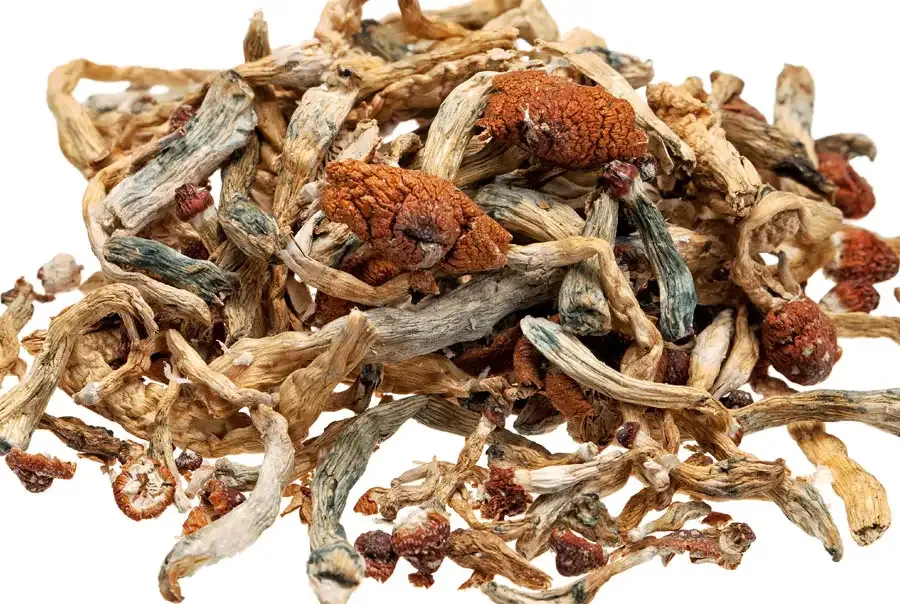
The term microdose mushrooms has gained attention in discussions about mental health, brain science, and psychedelic research. Many people are curious about what it means, how researchers study the topic, and what science says about its potential effects.
However, there is a difference between online claims and reliable scientific evidence. Understanding this difference is important before forming an opinion.
In this beginner’s guide, we explore mushroom microdosing, current research, possible risks, legal concerns, and common questions.
What Does Microdose Mushrooms Mean?
The phrase microdose mushrooms usually refers to the use of very small amounts of psychedelic mushrooms containing psilocybin.
Psilocybin is a naturally occurring psychedelic compound. The body converts it into psilocin, which interacts with serotonin receptors in the brain.
Unlike full psychedelic experiences, microdosing is generally discussed in the context of subtle or less noticeable effects.
However, there is no universally accepted definition of a microdose. Effects can also vary between individuals and products.
Understanding Mushroom Micro Dose Research
Interest in mushroom micro dose research has grown in recent years.
Scientists want to understand how psilocybin affects the brain, mood, perception, and thought patterns.
Research often explores several areas:
1. Mood and Emotional Health
Some studies examine whether psilocybin has an effect on mood and emotional well-being.
However, evidence about microdosing remains limited. Findings from clinical studies involving higher doses cannot automatically be applied to microdosing.
2. Focus and Creativity
Online discussions often connect microdosing with focus, creativity, and productivity.
Nevertheless, scientific results remain mixed. Some studies have found little evidence of improved performance beyond expectations or placebo effects.
Therefore, personal stories should not be treated as proof of medical benefits.
3. Brain Function
Researchers also study how psilocybin interacts with brain networks.
These studies may help explain changes in perception, emotion, and cognition. Still, more research is needed to understand the effects of repeated low-dose exposure.
Potential Risks and Safety Considerations
Although some people describe microdosing as mild, that does not mean it is risk-free.
Psilocybin can affect perception, emotions, and mental state. Its effects may differ based on individual health, product strength, and other factors.
Potential concerns include:
Anxiety or increased emotional distress.
Changes in perception.
Sleep disturbances.
Nausea or physical discomfort.
Unexpected psychological reactions.
Interactions with medications or other substances.
People with a history of psychosis or certain psychiatric conditions may face additional risks.
Furthermore, mushroom potency can vary. Unregulated products may also contain unknown substances or be incorrectly identified.
For these reasons, claims that mushroom microdosing is completely safe are misleading.
Is Microdose Mushrooms Legal?
The legal status of psilocybin varies across countries and regions.
Some places prohibit possession, sale, and distribution. Others have limited exceptions or specific research frameworks.
Therefore, anyone researching microdose mushrooms should understand the laws that apply in their location.
It is also important to remember that online availability does not prove that a product is legal.
For accurate information, consult official government sources or qualified legal professionals.
What Does Current Research Tell Us?
Research into psilocybin is still developing.
Some clinical studies have explored its possible role in mental health care. However, these studies often involve carefully controlled settings and professional supervision.
This distinction matters because research findings cannot be directly applied to unregulated products or unsupervised use.
In addition, researchers continue to study long-term effects, individual differences, and possible risks.
A balanced view is best. There is scientific interest in psilocybin, but many questions remain unanswered.
Final Thoughts
Microdose mushrooms are an increasingly discussed subject in science, wellness conversations, and psychedelic research.
However, curiosity should go hand in hand with reliable information. Current research does not support every claim made online, and potential risks and legal restrictions deserve careful attention.
At Real Magic Mushrooms, educational information should help readers understand the science, separate facts from myths, and make informed decisions.
Want to learn more?
Explore our educational resources at realmagicmushrooms.com for more information about mushroom science, psychedelic research, safety considerations, and legal awareness.
Frequently Asked Questions
1. What are microdose mushrooms?
The term refers to very small amounts of psychedelic mushrooms containing psilocybin. The phrase is commonly used in discussions about psychedelic research.
2. What is a microdose mushroom?
A microdose mushroom refers to a mushroom product discussed in the context of low-dose psychedelic exposure. Its effects and potency are not uniform.
3. Is mushroom micro dose research scientifically proven?
Research is ongoing. Current evidence does not establish consistent benefits for all the claims often made onli
4. Can microdosing cause side effects?
Yes. Possible effects include anxiety, nausea, sleep problems, and changes in perception. Responses vary between individuals.
5. Is psilocybin legal?
Laws differ by country and region. Always check current local regulations before making legal assumptions.
6. Is microdosing the same as psychedelic therapy?
No. Clinical psychedelic therapy involves specific research or treatment settings. Microdosing is a different practice and should not be considered an established substitute for medical care.