Blog
The Effects, Risks, and Potential Health Benefits of Magic Mushrooms: What Science Really Says

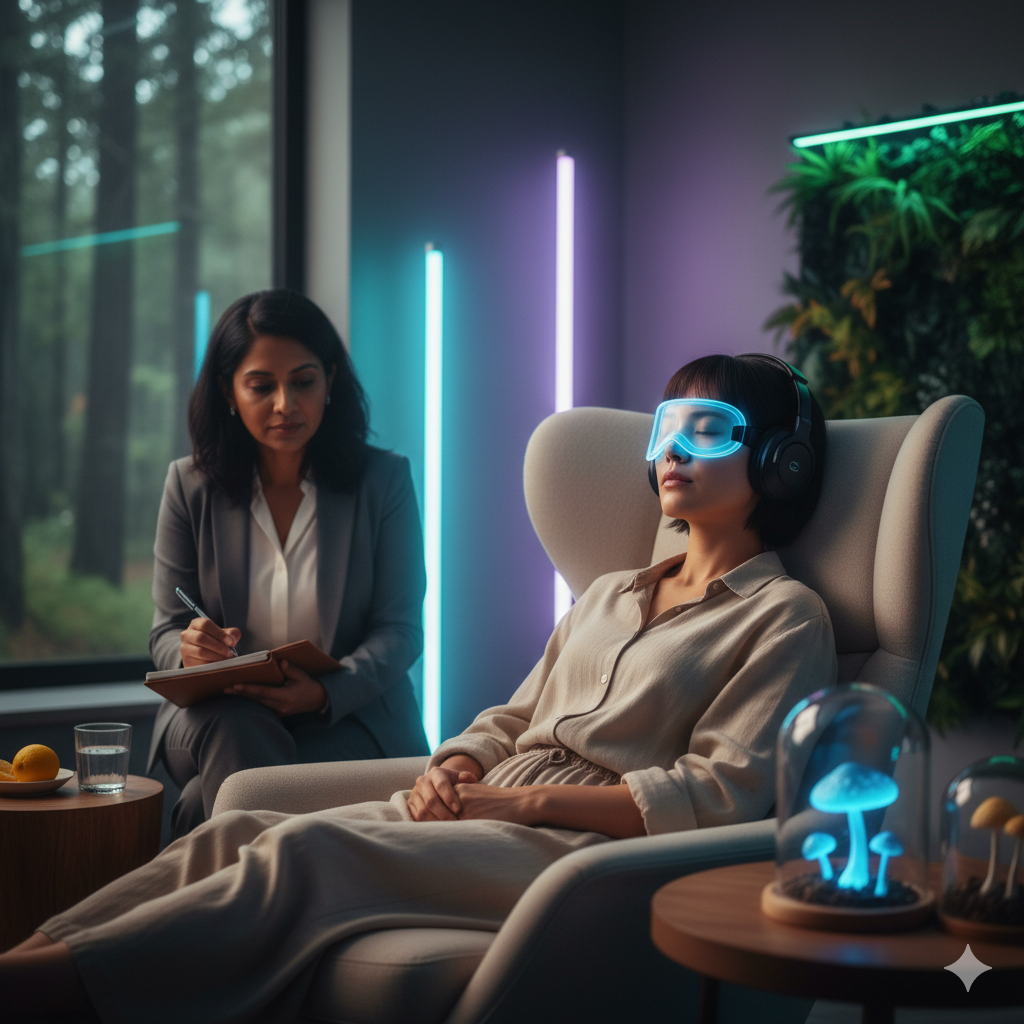
Magic mushrooms—fungi containing the psychoactive compound psilocybin—have moved from underground conversations to mainstream scientific research. While many people associate them with hallucinations or recreational use, the real story is more complex. Modern studies suggest that psilocybin may offer meaningful therapeutic value, but it also carries significant risks when used without medical oversight. Understanding both sides is essential for making informed decisions.
What Are Magic Mushrooms?
Magic mushrooms are naturally occurring fungi that contain psilocybin and psilocin, two compounds known for producing psychedelic effects. When consumed, psilocybin is converted into psilocin in the body, which interacts with serotonin receptors in the brain, altering perception, thoughts, and emotions.
While over 180 mushroom species contain psilocybin, their potency can vary widely depending on the strain, growing environment, and handling.
Common Effects of Magic Mushrooms
Psilocybin mushrooms often produce a mix of emotional, sensory, and cognitive effects. These may include:
1. Altered Perception
Users may experience intensified colors, changes in patterns, time distortion, or heightened awareness of surroundings.
2. Emotional Shifts
Psilocybin can amplify emotions—both positive and negative. Some people report feelings of euphoria, deep connectedness, or spiritual insight.
3. Cognitive Changes
The substance may temporarily shift thought patterns, leading to introspection, enhanced creativity, or unusual ideas.
4. Physical Effects
Mushrooms may also cause nausea, dizziness, increased heart rate, or changes in appetite.
Not all experiences are the same—dosage, mental state, physical health, and the setting all influence how the body responds.
Risks and Potential Side Effects
Despite growing research, magic mushrooms still carry important risks:
1. Psychological Distress
High doses or an unsafe environment can trigger anxiety, paranoia, or panic attacks. Some users experience a “bad trip,” which can feel overwhelming.
2. Impaired Judgment
Psilocybin temporarily alters thinking, which may lead to risky decisions or accidents, especially in uncontrolled settings.
3. Existing Mental Health Conditions
People with a history of psychosis, severe anxiety, or certain mental disorders may experience worsening symptoms after using mushrooms.
4. Physical Risks
Although psilocybin itself is considered low toxicity, accidentally consuming the wrong mushroom species can be extremely dangerous and even life-threatening.
Potential Health Benefits Backed by Research
Scientific studies from institutions like Johns Hopkins University and leading global research centers indicate that psilocybin may offer therapeutic promise when used under controlled, professional supervision.
1. Depression Relief
Psilocybin-assisted therapy has shown notable improvements in individuals with treatment-resistant depression, providing long-lasting emotional relief in some studies.
2. Reduced Anxiety
Cancer patients and people with chronic illness have reported lower anxiety levels after guided psilocybin therapy sessions.
3. Help With Addiction
Early trials suggest that psilocybin may help reduce dependence on substances such as alcohol and nicotine by reshaping thought patterns and emotional responses.
4. Improved Emotional Processing
Psilocybin may increase openness, empathy, and emotional flexibility when combined with therapy.
It’s important to note that these benefits are linked to clinical settings, not casual or unregulated use.
Legal and Safety Considerations
Magic mushroom laws vary widely by region. In many areas, psilocybin remains illegal or restricted. Even in locations where it is decriminalized, unregulated use still poses safety challenges.
Those exploring therapeutic benefits should do so only through reputable clinical trials or licensed professionals in regions where psilocybin-assisted therapy is legally permitted.
Final Thoughts
Magic mushrooms are neither a miracle cure nor a harmless recreational substance. They hold significant therapeutic potential, but they also come with real risks, especially without expert guidance.
A balanced understanding—rooted in science, personal safety, and responsible decision-making—is essential for anyone considering the use of psilocybin.