
Blog
The Comprehensive Guide to CBD: Types, Forms, and Bioavailability (2026)

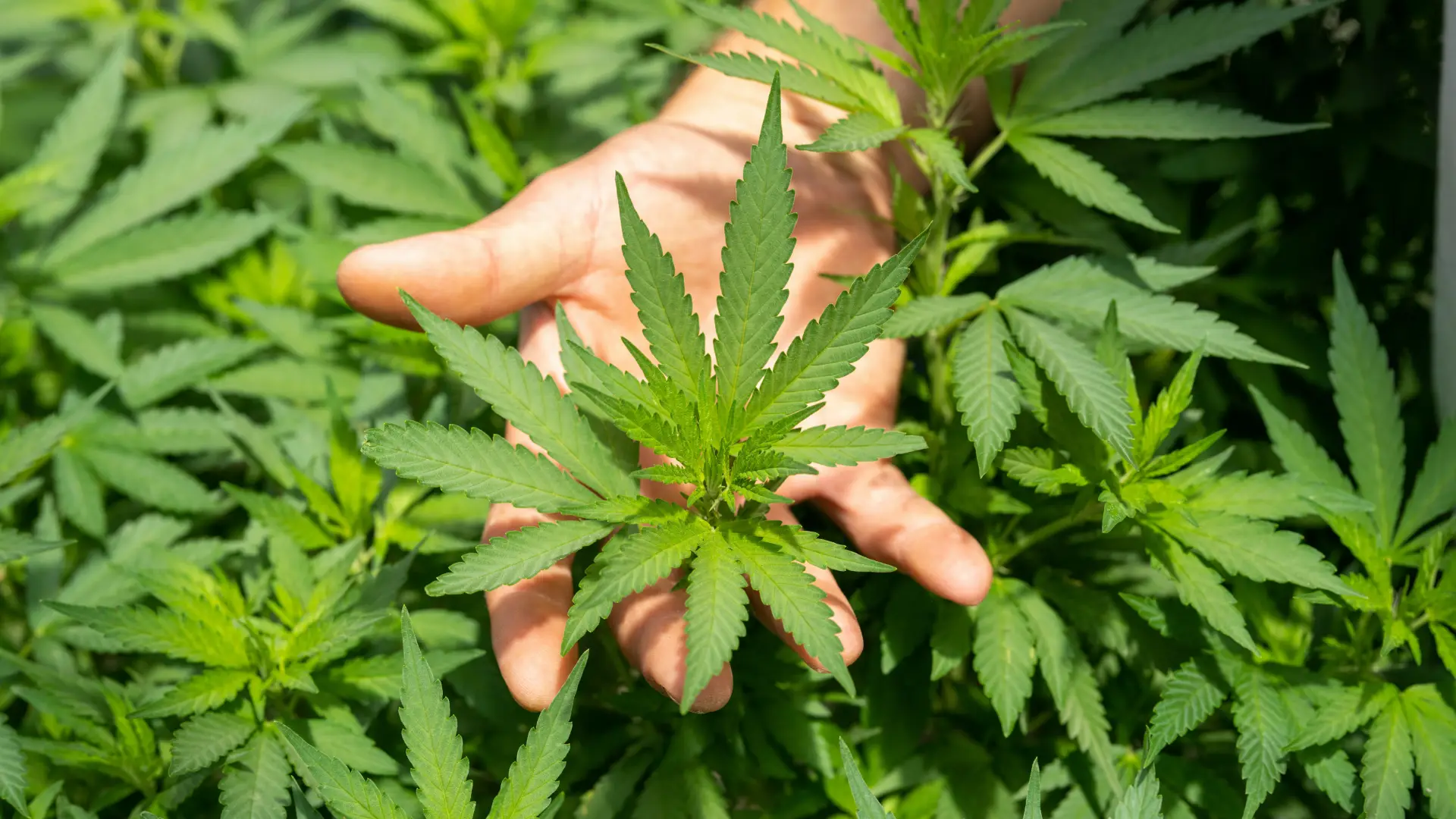
The CBD market has evolved from a “wellness trend” into a sophisticated scientific industry. For consumers and researchers alike, the most pressing question is no longer “does it work?” but rather “what is the best form of CBD for my specific needs?”
With three distinct chemical profiles—Full-Spectrum, Broad-Spectrum, and Isolate—and dozens of delivery methods from oils to nano-emulsions, choosing the right product requires an understanding of how these compounds interact with the human body. This guide provides a science-backed comparison of CBD types to help you navigate the 2026 landscape.
1. Understanding the Three Main Types of CBD
The “type” of CBD refers to the chemical profile of the extract. The primary difference lies in the presence of other cannabinoids and terpenes found in the hemp plant.
Full-Spectrum CBD: The Power of the Entourage Effect
Full-spectrum CBD is often considered the “gold standard” by researchers. It contains the complete profile of the hemp plant, including CBD, minor cannabinoids (like CBG, CBN, and CBC), terpenes, and flavonoids.
Crucially, full-spectrum products contain trace amounts of THC (up to 0.3% in the U.S.).
- The Science: According to the “Entourage Effect” theory, these compounds work synergistically. Research suggests that CBD is more effective when paired with trace THC and terpenes than when taken alone.
- Best For: Individuals seeking maximum therapeutic potential who are not concerned about trace THC exposure.
Broad-Spectrum CBD: The Middle Ground
Broad-spectrum CBD offers the benefits of the entourage effect without the THC. During processing, the THC is selectively removed while preserving the other beneficial cannabinoids and terpenes.
- The Science: It provides a “multi-cannabinoid” experience, making it a favorite for those who want the synergy of hemp but have a zero-tolerance policy for THC due to work or personal preference.
- Best For: Users subject to regular drug testing or those sensitive to THC.
CBD Isolate: The Purest Form
CBD Isolate is 99% pure cannabidiol. All other plant matter, including waxes, chlorophyll, and every other cannabinoid, is stripped away.
- The Science: Isolate is flavorless and odorless, making it highly versatile for infusions. However, it lacks the “entourage effect,” meaning higher doses may be required to achieve the same results as full-spectrum products.
- Best For: Individuals who want purely CBD or those who are highly sensitive to other plant compounds.
2. CBD Oil Comparison: Delivery Methods & Bioavailability
The “best form” of CBD is also dictated by bioavailability—the rate and amount of CBD that actually enters your bloodstream.
| Delivery Method | Bioavailability | Onset Time | Best Use Case |
| Sublingual (Oils/Tinctures) | 13–19% | 15–30 mins | Daily wellness & moderate relief |
| Oral (Gummies/Capsules) | 6–15% | 1–2 hours | Consistent, long-term dosing |
| Inhalation (Vapes/Flower) | 31–45% | 1–5 mins | Immediate needs |
| Topical (Creams/Balms) | Minimal (Local) | 20–60 mins | Targeted muscle/skin support |
The Role of Nano-Emulsion (2026 Innovation)
A major breakthrough in 2026 is the rise of water-soluble CBD or nano-emulsions. Traditional CBD oil is “hydrophobic” (it doesn’t mix with water), which is why oral absorption is so low. Nano-technology breaks CBD particles down into microscopic sizes, increasing oral bioavailability by up to 4–5 times compared to standard oils.
3. What is the Best Form of CBD for You?
To determine the best form, you must align the CBD type with your lifestyle goals.
For High-Stress Environments
If you are looking for daytime support without any “fog,” Broad-Spectrum Tinctures are often the best choice. They provide the calming effects of minor cannabinoids like CBN without the psychoactive risk of THC.
For Physical Recovery
Athletes often prefer a combination approach. A Full-Spectrum Topical provides localized relief, while a Full-Spectrum Oil taken with a high-fat meal (which can increase absorption by 4x) supports systemic recovery.
For Precise Research and Science
In laboratory settings, CBD Isolate is the standard. Its purity allows researchers to study the effects of cannabidiol without the “interference” of other plant variables.
4. How to Shop for CBD: The 2026 Quality Checklist
The FDA and industry leaders have established strict transparency requirements. Never purchase a product that does not meet these criteria:
- Certificate of Analysis (COA): A third-party lab report is non-negotiable. It must confirm the CBD potency and verify the product is free of heavy metals, pesticides, and mold.
- Extraction Method: Look for Supercritical CO2 Extraction. This method ensures no harmful solvent residues (like butane or propane) are left in the final product.
- Source of Hemp: Ensure the hemp is grown in regions with strict agricultural regulations (e.g., USA or EU).
- No “Cure” Claims: Be wary of brands that claim to “cure” diseases. In 2026, reputable brands focus on “support” and “wellness maintenance.”
5. Common FAQs About CBD Types
Does CBD Isolate show up on a drug test?
Pure CBD Isolate is highly unlikely to cause a positive result. However, some low-quality isolates may contain trace contaminants. Always check the COA for “ND” (Non-Detected) THC levels.
Why is Full-Spectrum more expensive than Isolate?
Full-spectrum oil requires more careful extraction to preserve the delicate terpenes and minor cannabinoids that would otherwise be destroyed in the high-heat process used to create isolate.
Can I mix different types of CBD?
Yes. Many users “stack” their CBD. For example, taking a CBD Isolate capsule in the morning for focus and a Full-Spectrum oil at night for deeper rest.
Conclusion: Making an Informed Choice
There is no single “best” form of CBD, only the form that is best for your specific biology and goals. If you are new to CBD, the most effective strategy is to start with a Broad-Spectrum Oil. This allows you to experience the benefits of the hemp plant’s diverse chemical profile while maintaining a safe, THC-free experience.
As research continues to expand in 2026, the focus is shifting toward formulation stability and enhanced absorption. By choosing products with transparent lab testing and modern delivery systems, you can ensure that you are getting the most value—and the most relief—from your CBD regimen.











Thank you for the detailed guide on the product. I found it very helpful and easy to follow. I look forward to more articles like this!
Thank you for the detailed guide on the product. I found it very helpful and easy to follow. I look forward to more articles like this!
Thanks for breaking down the information about CBD in such a clear and concise way. Very informative read. Can’t wait to try out some new CBD products!
I appreciate the effort put into explaining the different types and forms of CBD. The section on bioavailability was especially enlightening. Great job!