
Blog
Can You Smoke CBD? A Scientific Guide to Inhalation & Safety

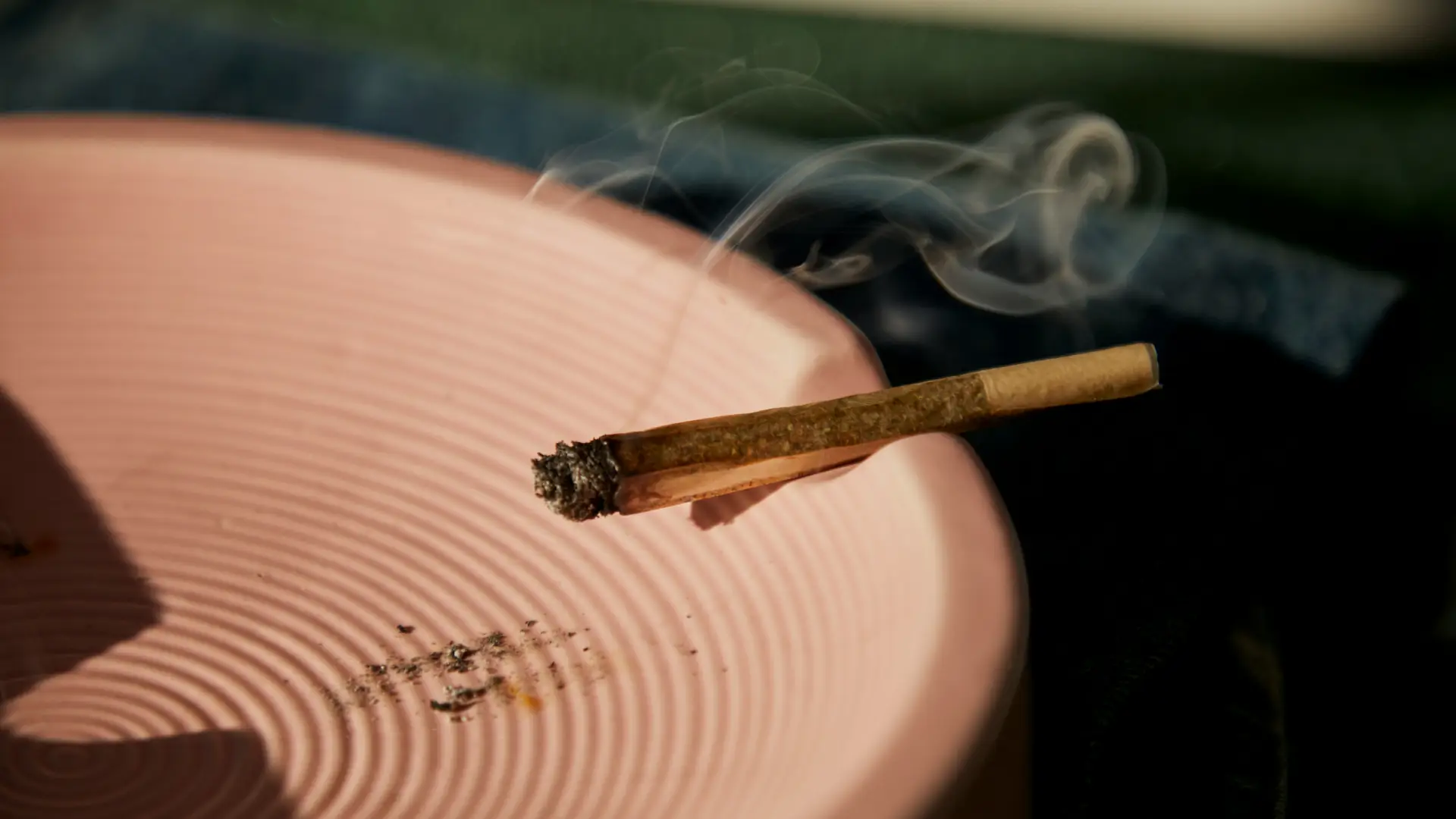
As the CBD market matures in 2026, many users are looking for faster ways to experience the benefits of cannabinoids. Inhalation—specifically through smoking or vaping—remains the fastest delivery method. However, there is a massive amount of misinformation regarding what can be smoked and how it affects the body.
This guide clarifies the critical distinction between smokable hemp and best form of CBD oil, explores the bioavailability of inhalation, and provides essential safety warnings regarding lab-certified products.
1. The Golden Rule: Can You Smoke CBD Oil?
The most common and dangerous misconception in the industry is that standard “CBD Oil” (tinctures) can be smoked or vaped.
The answer is a definitive NO.
- Carrier Oil Dangers: Standard CBD oil tinctures are formulated with carrier oils like MCT (coconut) oil, olive oil, or hemp seed oil. These are meant for digestion or sublingual (under the tongue) use.
- Lipoid Pneumonia Risk: When these carrier oils are heated and inhaled, they can deposit fat globules in the lungs, leading to a serious condition called lipoid pneumonia.
- Toxic Byproducts: Heating certain carrier oils or thickeners (like Vitamin E acetate) can create toxic chemical byproducts, including ketene, which were linked to the EVALI (vaping-associated lung injury) outbreak.
Key Takeaway: If your bottle says “CBD Oil” or “Tincture,” it is strictly for oral use. Only products explicitly labeled as “CBD Vape E-Liquid” or “Smokable Hemp Flower” should ever be inhaled.
2. Types of Smokable CBD
If you want to inhale CBD safely, you must use products designed specifically for that purpose. In 2026, the market has narrowed down to three primary forms:
A. CBD Hemp Flower
This is the raw, dried bud of the hemp plant. It looks and smells like traditional cannabis but contains less than 0.3% THC.
- Experience: Provides the most complete “Entourage Effect” because it contains the original terpenes and minor cannabinoids (CBG, CBC) in their natural ratios.
- Method: Smoked in “pre-rolls” or used in a Dry Herb Vaporizer (the latter is often preferred for lung health).
B. CBD Vape E-Liquids
These are liquids made with Vegetable Glycerin (VG) and Propylene Glycol (PG), designed to vaporize at low temperatures.
- Experience: Often flavored and highly discreet. It provides a “cleaner” feel than smoke but may lack the complexity of raw flower.
C. CBD Concentrates (Dabbing)
High-potency extracts like CBD wax, shatter, or crumble.
- Experience: These are for experienced users seeking a high dose in a single inhalation.
3. The Science of Bioavailability: Why People Smoke CBD
The primary reason users choose smoking over gummies or oils is efficiency.
- Pulmonary Absorption: When you smoke CBD, the cannabinoids pass directly through the alveoli (lung air sacs) and into the bloodstream. This bypasses the “First-Pass Metabolism” of the liver.
- Bioavailability Rates: * Smoking/Vaping: 31% to 45% bioavailability.
- Oral (Gummies/Capsules): 6% to 15% bioavailability.
- Onset Time: Effects are felt within 2 to 5 minutes, compared to 60–90 minutes for edibles. This makes smoking the preferred choice for those seeking immediate relief from acute stress or physical discomfort.
4. Is Smoking CBD Legal? (2026 U.S. Landscape)
While hemp-derived CBD is federally legal under the Farm Bill, the legality of “Smokable Hemp” varies by state.
- Federal Status: Hemp flower with <0.3% THC is legal at the federal level.
- State Restrictions: As of early 2026, some states (like Texas, Indiana, and Louisiana) have attempted to ban the smokable form of hemp specifically, even while allowing CBD oils.
- Public Consumption: It is important to note that CBD hemp flower is indistinguishable from high-THC marijuana by sight or smell. Using it in public can lead to legal complications or law enforcement intervention.
5. Health Risks and Harm Reduction
No form of smoking is 100% “healthy.” Inhaling any combusted plant material introduces carbon monoxide and particulates into the lungs.
How to Reduce Risk:
- Switch to Dry Herb Vaping: Instead of burning the flower, these devices heat it just enough to release the CBD vapor without creating smoke.
- Avoid Additives: Check lab reports for the absence of Vitamin E Acetate and heavy metals.
- Check for Mold: Hemp flower is an agricultural product. Lower-quality sellers may have mold or mildew issues, which are dangerous when inhaled.
- Monitor Your Throat: Frequent smoking can cause throat irritation and a persistent cough. If this occurs, switch to sublingual oils to give your respiratory system a break.
6. Conclusion: Should You Smoke CBD?
Smoking CBD is a valid, high-bioavailability method for experienced users who require immediate onset. However, it requires a high level of consumer education to avoid the physical dangers of inhaling non-smokable oils.
Ask yourself these three questions before starting:
- Is this product specifically labeled for inhalation?
- Do I have a third-party lab report (COA) for this specific batch?
- Am I using it for a “micro-moment” of relief rather than a long-term respiratory habit?
By following these scientific guidelines and 2026 safety standards, you can utilize smokable CBD as a powerful tool in your wellness kit without compromising your lung health.











Thank you for the detailed guide on the product. I found it very helpful and easy to follow. I look forward to more articles like this!
Thank you for the detailed guide on the product. I found it very helpful and easy to follow. I look forward to more articles like this!
Great explanation! I appreciate the scientific approach taken in this guide. It cleared up many misconceptions I had about smoking CBD.
Thank you for addressing the safety concerns related to smoking CBD. This guide provided valuable insights that will help me make informed decisions.